
The 2026 Home Service Customer Retention Playbook: From One-Off Jobs to Lifetime Value
Customer retention for home service businesses is the strategic focus on maximizing the lifetime value of existing clients through exceptional service, proactive communication, and automated follow-up systems. In 2026, as lead generation costs continue to rise, retaining customers has become significantly more profitable than constantly acquiring new ones, making a robust retention playbook essential for sustainable growth.
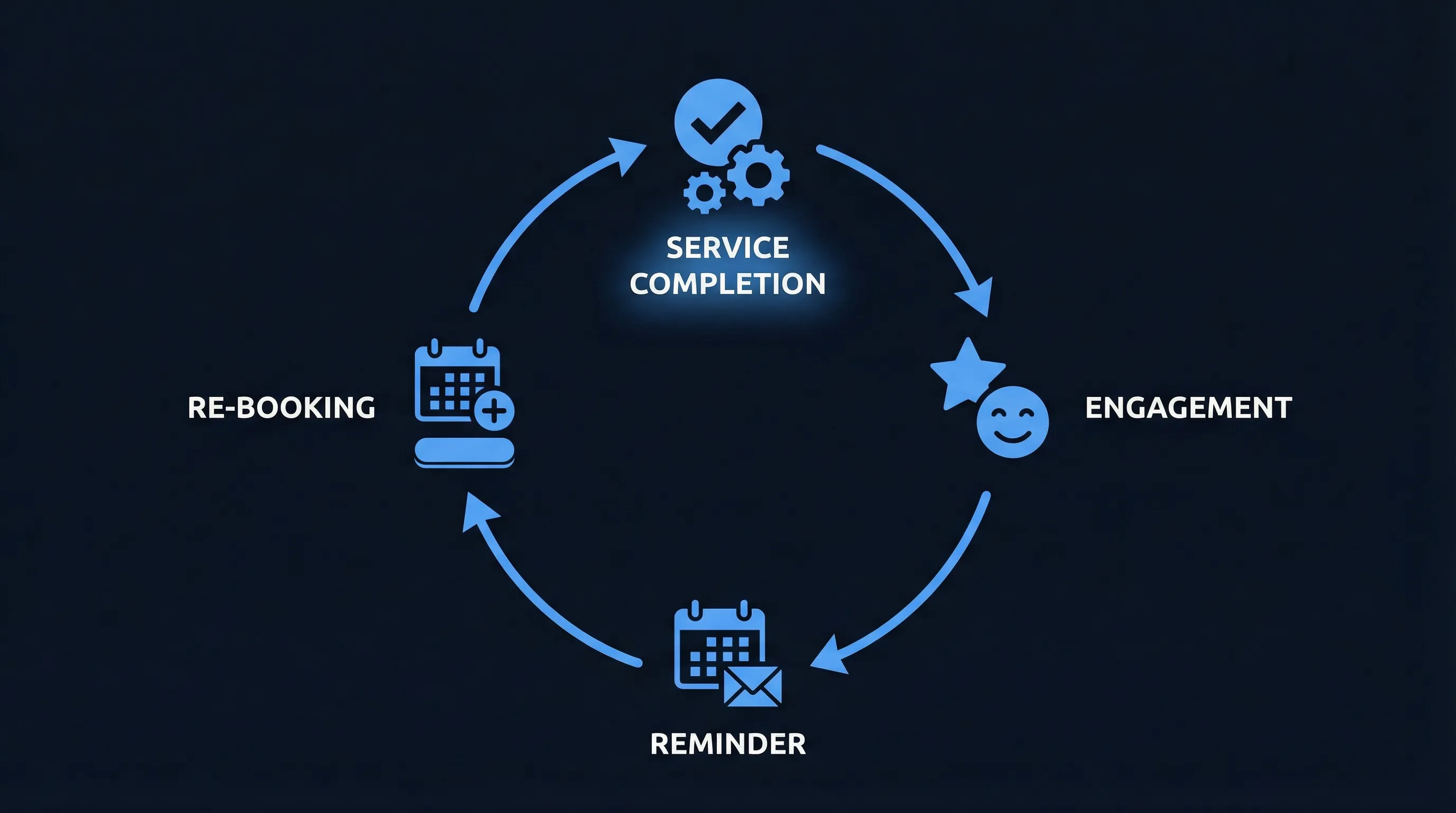
Building lasting relationships with customers is key to sustainable growth.
Why Customer Retention is Your Most Profitable Growth Strategy in 2026
For years, many home service businesses prioritized aggressive lead generation. However, the landscape has shifted. Rising advertising costs, increased competition, and the demand for personalized experiences mean that a dollar invested in retention often yields a far greater return than a dollar spent on acquisition.
According to a 2025 report by Jobber, top-performing home service businesses are seeing up to a 20% increase in repeat customers through automated follow-up and loyalty programs. This highlights a critical shift: the most successful contractors are those who master the art of keeping the customers they already have.
For a South Florida plumbing company, this means turning a one-time emergency repair into a long-term relationship, securing annual maintenance contracts, and generating valuable referrals. It's about building a loyal customer base that consistently chooses your business over competitors.
Understanding Customer Lifetime Value (CLV) in Home Services
Customer Lifetime Value (CLV) is a metric that predicts the total revenue a business can expect to earn from a customer throughout their relationship. In home services, a high CLV indicates a strong, recurring revenue stream and a loyal customer base. Focusing on CLV means shifting from a transactional mindset to a relationship-driven approach.
Proactive Service Management involves anticipating customer needs and offering solutions before problems arise. This could include automated reminders for routine maintenance, personalized upgrade recommendations, or seasonal service suggestions. For an HVAC business, this translates to scheduling pre-season tune-ups automatically, ensuring customer comfort and preventing costly breakdowns.
5 Pillars of a High-Performing Customer Retention Playbook
Building a robust customer retention strategy involves integrating several key components into your operations. Here's how home service businesses can cultivate lasting customer relationships:
- Automated Follow-Up Sequences: Implement automated email and SMS campaigns after service completion. These should include thank-you messages, satisfaction surveys, and reminders for future maintenance or related services.
- Personalized Communication: Leverage customer data to personalize interactions. Reference past services, technician notes, and preferences to make each communication feel tailored and valuable.
- Loyalty Programs & Membership Tiers: Reward repeat business with exclusive discounts, priority scheduling, or extended warranties. Membership programs can create predictable recurring revenue and foster a sense of belonging.
- Effortless Re-booking & Scheduling: Make it incredibly easy for customers to book their next service. Offer one-click re-booking options via text or email, and maintain up-to-date online scheduling portals.
- Proactive Maintenance Reminders: Utilize your CRM or scheduling software to automatically send reminders for annual inspections, filter changes, or other routine maintenance based on service history.
Retention vs. Acquisition: A Strategic Comparison
While both are vital, their costs and impacts differ significantly. Customer Acquisition typically has high costs from advertising and sales efforts, variable ROI that is often lower in the short term, a new and unknown customer base, transactional and one-off revenue, and requires constant search for new leads. Customer Retention, by contrast, has lower costs from service and communication, higher and more predictable long-term revenue, an existing and trusting customer base, recurring and subscription-based revenue, and focuses on nurturing existing relationships.
Actionable Takeaways for Home Service Owners
- Invest in Automation: Automate your post-service follow-ups, maintenance reminders, and re-booking processes to ensure consistent communication without manual effort.
- Prioritize Customer Experience: Every interaction, from the initial call to post-service follow-up, contributes to retention. Aim for seamless, professional, and personalized service.
- Measure and Adapt: Track your customer retention rate, CLV, and referral rates. Use this data to refine your strategies and identify areas for improvement.
Frequently Asked Questions
Why is customer retention more important than ever for home service businesses?
Customer retention is more important than ever because the cost of acquiring new customers is steadily increasing, while loyal customers tend to spend more over time and provide valuable referrals. Focusing on retention builds a stable, profitable foundation for sustainable business growth in a competitive market.
What are the most effective tools for automating customer retention?
The most effective tools for automating customer retention include CRM systems with integrated marketing automation, specialized field service management software, and online scheduling platforms. These tools enable automated email and SMS campaigns, personalized communication, and proactive service reminders.
How can a small home service business implement a loyalty program?
A small home service business can implement a loyalty program by offering simple incentives like discounts on future services after a certain number of bookings, exclusive access to priority scheduling, or a percentage off annual maintenance plans. The key is to make it easy to understand and valuable to the customer.
What is a good customer retention rate for home service businesses?
A good customer retention rate for home service businesses typically ranges from 75% to 85% annually. Rates above 85% indicate exceptional customer loyalty and service, while rates below 70% suggest significant opportunities for improvement in customer experience and follow-up strategies.
Ready to transform one-off jobs into lasting customer relationships? CalendarFlow empowers home service businesses with automated follow-up, seamless scheduling, and personalized communication tools designed to boost customer retention and maximize lifetime value. Stop chasing new leads and start building a loyal customer base today. Visit CalendarFlow.us to learn more.